
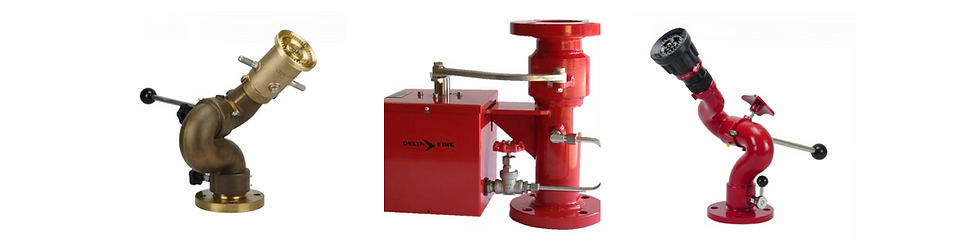
Dust Suppression Station Monitors
Industries That Can Benefit from Station Monitors for Dust Suppression
1. Waste Management and Recycling Facilities
Landfills, waste transfer stations, and recycling plants produce dust from the handling of waste materials. Station monitors assist in controlling dust levels and preventing pollution.
2. Construction Sites
Demolition, excavation, and material handling at construction sites produce airborne dust. Fire monitors can be used to suppress dust, enhancing site safety and regulatory compliance.
3. Cement and Concrete Plants
Cement production and concrete mixing involve handling fine powders that easily become airborne. Station monitors help control dust emissions, reducing health hazards for workers and preventing environmental contamination.
4. Steel and Manufacturing Industries
Heavy industries that process raw materials, such as steel and metal production, generate substantial dust. Station monitors provide an effective way to suppress these emissions and maintain a clean working environment.
5. Mining and Quarrying
Mining operations generate significant amounts of dust from drilling, blasting, and transporting materials. Station monitors help control dust clouds, improving air quality and protecting workers.
6. Agricultural Operations
Large-scale farming and grain processing produce dust from soil disturbance and crop processing. Station monitors can be used to manage dust, protecting workers and nearby communities.
7. Ports and Shipping Yards
Bulk material handling in ports, such as coal, sand, and grain loading, generates dust. Station monitors help suppress dust at docks and storage areas, ensuring smooth operations.
8. Road and Highway Construction
Road construction, especially during dry conditions, generates significant dust from vehicle movement and material transport. Station monitors can be mounted on trucks or stationary points to keep dust under control.
In Summary
Station monitors offer a powerful and cost-effective solution for dust suppression across multiple industries. Their ability to cover large areas, improve air quality, enhance workplace safety, and ensure regulatory compliance makes them a valuable investment for businesses dealing with dust-related challenges. By integrating fire monitors into their dust control strategies, industries can promote safer working conditions while minimising environmental impact.

